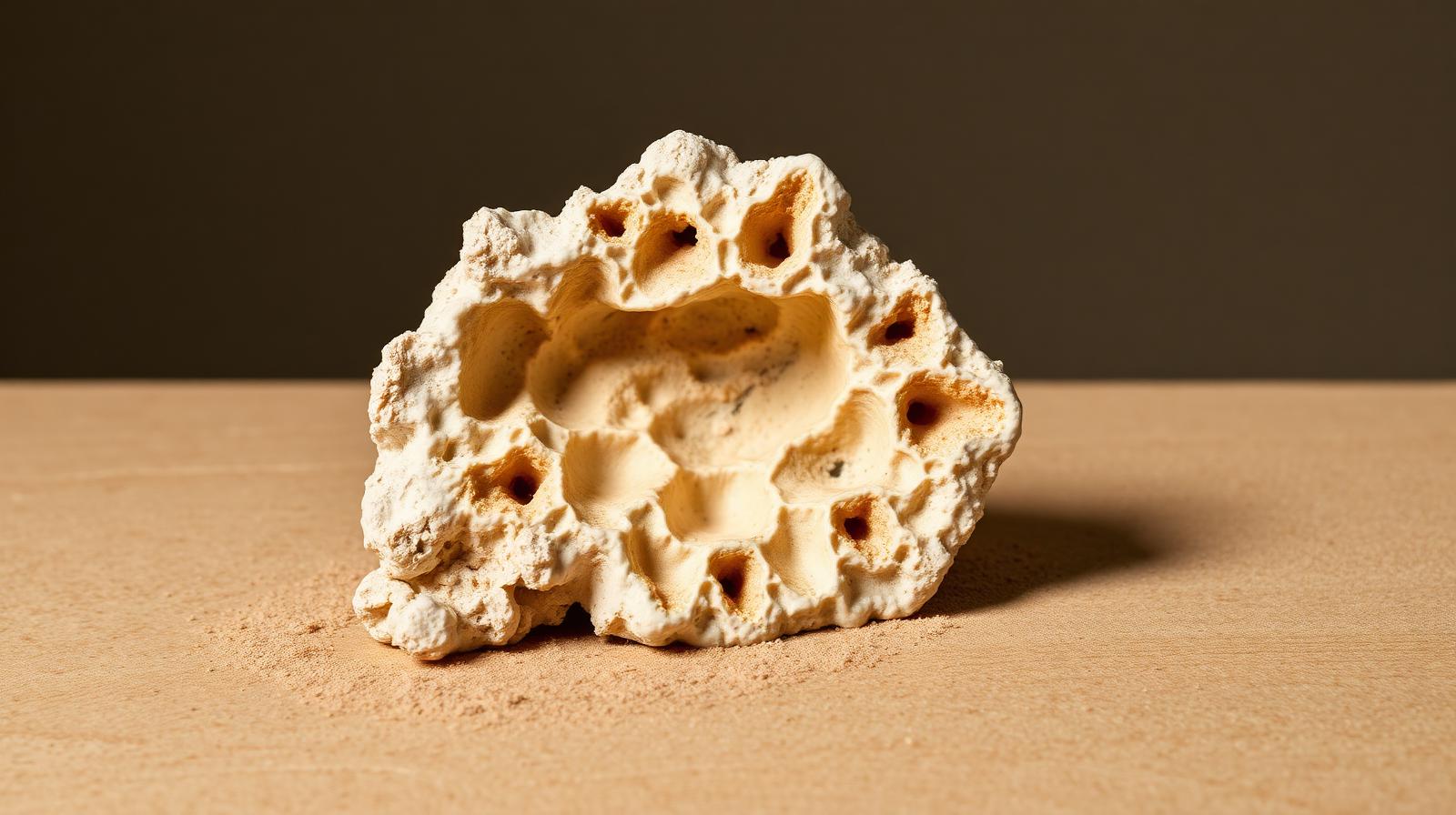
It is intuitive to think of the skull as a fixed scaffold. It is not. The facial skeleton remodels continuously throughout adult life, with measurable, characteristic patterns of bone resorption and expansion that have been documented by serial CT imaging in craniofacial surgery. Those skeletal changes set the frame on which the rest of the face hangs, and they explain a substantial portion of what patients perceive as soft-tissue descent.
Understanding bone change matters for two reasons. First, it explains why a face can look older even when the skin is still in good condition. Second, it sets realistic limits on what soft-tissue treatments can do, since no amount of skin-quality work or dermal volume can restore the underlying bony architecture.
What the imaging shows
The work of Mendelson, Wong, Pessa and others, using serial CT data, has documented a consistent set of skeletal ageing patterns. The midface loses projection at the maxilla. The orbital aperture widens, particularly at the superomedial and inferolateral rims. The pyriform aperture around the nose expands. The mandibular angle becomes more obtuse, and the chin loses anterior projection over time. The frontal bone and zygomatic arch tend to be relatively preserved.
The composite effect is a smaller, less projected skeletal frame than the patient had in their 20s. Soft tissue that previously draped over a fuller frame now drapes over a smaller one, and what looks like descent is partly the soft tissue having further to fall.
Why bone changes
Bone is metabolically active tissue, continuously remodelled by osteoclasts (which resorb bone) and osteoblasts (which deposit it). With age, the balance shifts toward resorption in some regions and toward expansion in others. Hormonal changes, particularly the decline in estrogen during and after menopause, are associated with accelerated bone loss in many women. Vitamin D status, weight-bearing exercise and overall systemic health also influence the rate of remodelling.
The cosmetic consequences
Periorbital region
As the orbital aperture widens, the supporting bony rim that holds soft tissue against gravity recedes. This contributes to hollow upper eyelids, descent of the brow, and prominence of under-eye hollows even in patients who have not lost periorbital fat.
Midface
Loss of maxillary projection removes structural support from the cheek. The midface flattens, the nasolabial fold deepens, and the smile loses some of its forward projection.
Lower face and jawline
A more obtuse mandibular angle and loss of chin projection produce a softer jawline silhouette. Combined with soft-tissue descent and superficial fat redistribution, this is one of the most common reasons patients in their 50s and 60s describe their lower face as having changed shape.
The face does not just lose skin. It loses the frame the skin was hanging on.
What this means for treatment
Modest, anatomically guided restoration of lost projection at specific compartments, using volume replacement treatments or calcium hydroxylapatite or poly-L-lactic acid biostimulators where indicated, can partially compensate for skeletal change without replicating it. The key word is modest. Aggressive volumisation of a face that has lost skeletal support tends to read as an over-treated face rather than a refreshed one, because the soft-tissue envelope is being asked to do something its underlying architecture cannot support.
When the dominant change is significant skeletal regression combined with substantial soft-tissue descent, non-surgical care has real limits. An honest consultation will name those limits and, where appropriate, refer to a specialist plastic or facial surgeon for assessment of options that do address the structural component, including bony augmentation and repositioning surgery.
What patients can do for the underlying biology
- Adequate dietary calcium and vitamin D, in line with general health guidance.
- Regular weight-bearing and resistance exercise, which supports bone density.
- Not smoking, which is associated with reduced bone density and accelerated facial bone loss.
- Discussion with a GP about bone health screening at relevant ages, particularly around menopause.
- Sun protection and overall skin-quality work, so that whatever bony frame remains is dressed in better skin.
A more honest framing
The most useful cosmetic assessment starts with the skeleton and works outward. Patients who understand that the face is changing in bone, fat, ligament and skin are usually more receptive to a layered, modest plan than to chasing a single dramatic intervention. The face that ages well over decades is often the one whose practitioner respected the underlying architecture rather than fighting it.
All cosmetic procedures carry risks. Outcomes vary between individuals. A consultation with a registered medical practitioner is required prior to any treatment. This article is general information only and is not medical advice.